COCONUT Cocktail and Tropical FLOWERS
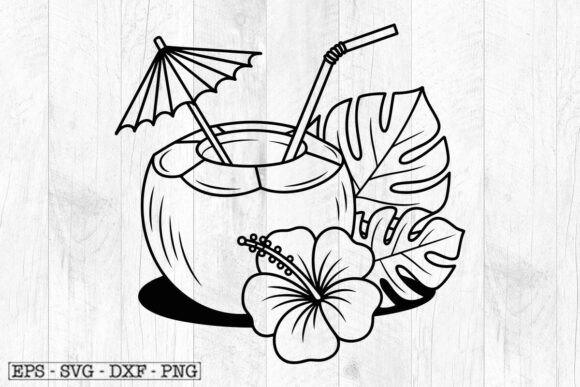
As a designer with years of experience in embroidery and digital design, I always approach new files with a critical eye. COCONUT Cocktail and Tropical FLOWERS is a vibrant, summery design that immediately evokes the feeling of a beachside getaway. The combination of coconuts, tropical flowers, and a casual cocktail motif creates a laid-back, fun vibe that’s perfect for a variety of embroidery projects.
The First Impression: A Summer-Inspired Design
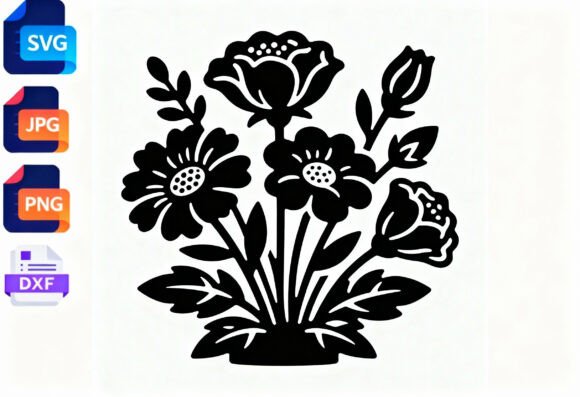
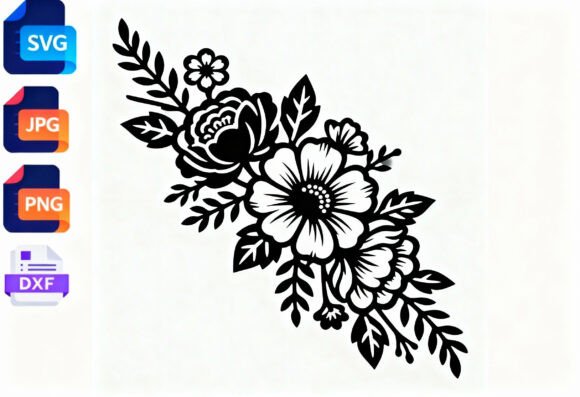
From the moment I opened the SVG files, I was struck by the clean lines and balanced layout. The design feels cohesive, with each element—coconut, flowers, and cocktail glass—placed in a way that doesn’t feel cluttered. The level of detail is just right for an embroidery file; it’s intricate enough to be visually interesting but not so dense that it becomes overwhelming when stitched out.
This design would naturally fit into a custom apparel project, such as a tote bag or sweatshirt. It also has potential for baby items, like onesies or blankets, where the soft, playful aesthetic can add a charming touch. The color palette seems to lean toward light backgrounds, which makes sense for a summer theme, but I’d want to test it on darker fabrics to see how the details hold up.
Real-World Embroidery Performance
When considering real-life embroidery situations, COCONUT Cocktail and Tropical FLOWERS shows promise for a range of applications. As a machine embroidery design, it could work well on t-shirts, tote bags, and even aprons. The design’s structure allows for clear stitching, especially if using satin stitch for the flowers and fill stitch for the background elements.
However, there are some limitations. If you’re working with small hoop sizes, this design might be too large to fit comfortably. That means you’ll need to either split the design or use a larger hoop, which could affect the overall flow of the stitching. For textured or thin fabrics, the design may require extra stabilizer to prevent puckering or distortion.
On stretchy or dark fabrics, the contrast between the design and the background becomes more important. If the thread colors don’t stand out enough, the design might look washed out. I’d recommend testing the design on different fabric types before committing to a final project.
Where to Use COCONUT Cocktail and Tropical FLOWERS Carefully
While the design is versatile, there are certain scenarios where caution is needed. For example, if you’re planning to use it on a cap or a curved surface, the corners of the design might not stitch out as smoothly. Similarly, if the design includes tiny lettering or intricate details, those areas could become lost in the stitching process.
Dense stitch areas, such as the leaves or petals of the flowers, should be reviewed carefully. High stitch density can cause the fabric to pucker or the threads to break, especially on delicate materials. It’s also worth noting that this design might not be ideal for layered garments or products that will undergo frequent washing, as the embroidery could fade or wear over time.
Impact on Visual Appeal and Customer Perception
When it comes to visual appeal, COCONUT Cocktail and Tropical FLOWERS has a strong presence. The design is eye-catching and fits well within the summer and beach themes. It adds a sense of fun and personality to any product it’s applied to, making it a great choice for handmade products or personalized gifts.
For small business owners and Etsy sellers, this design could enhance the value of their offerings. A well-stitched, professionally looking embroidered item can increase customer trust and encourage repeat purchases. It also helps with brand consistency, especially if you’re building a collection around a specific theme or style.
As a digital product seller, I appreciate the flexibility of SVG files. They allow for easy scaling and customization, which is essential for different project sizes. However, it’s important to confirm the licensing terms before selling finished products or digital downloads, as some designs may have restrictions on commercial use.
Practical Designer Notes for Using COCONUT Cocktail and Tropical FLOWERS
Before using COCONUT Cocktail and Tropical FLOWERS in your own projects, here are a few practical tips:
- Test on scrap fabric first: This will help you understand how the design looks when stitched and identify any issues with stitch density or fabric compatibility.
- Check thread color contrast: Ensure that the thread you choose stands out against the fabric you’re using.
- Review stitch density: High-density areas may need additional stabilizer to prevent puckering or distortion.
- Confirm hoop size: Make sure the design fits within your hoop dimensions or plan for splitting it if necessary.
- Inspect small details: Pay attention to intricate parts of the design, as they may not stitch out as clearly as expected.
- Test in black and white mockups: This can help you visualize how the design will look without color distractions.
- Compare light and dark fabric backgrounds: Some details may not show up well on darker fabrics, so test both options.
- Use proper stabilizer: This is crucial for maintaining the quality of the embroidery, especially on stretchy or thin fabrics.
- Check for commercial use: Confirm whether the design is licensed for commercial projects before selling finished items or digital products.
Conclusion: A Versatile Design for the Right Projects
COCONUT Cocktail and Tropical FLOWERS is a design that brings a refreshing, summery vibe to any embroidery project. It’s well-suited for custom apparel, tote bags, and other craft business items that benefit from a playful, colorful aesthetic. However, its performance depends on factors like fabric type, hoop size, and stitch density.
As a designer, I’d recommend using this design for projects where the visual impact is important, such as boutique merchandise, holiday gifts, or personalized products. Just be mindful of the limitations and test it thoroughly before finalizing any order or listing.