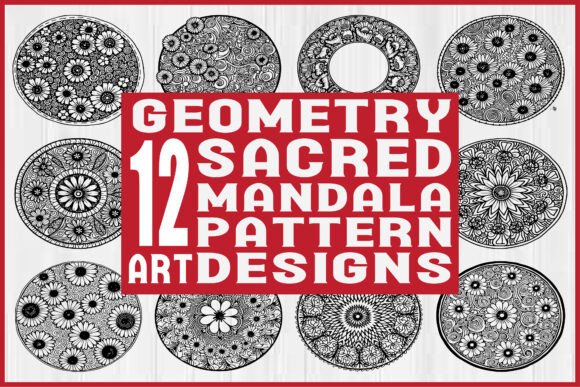
Sacred Geometry Mandala Patterns
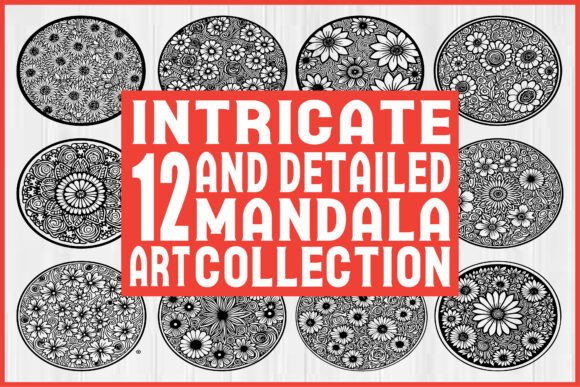
As an embroidery designer and product reviewer, I’ve evaluated countless machine embroidery designs, but few have captured the balance of artistry and practicality like Sacred Geometry Mandala Patterns. This bundle of 12 circular vector designs offers a unique blend of spiritual symbolism and intricate detail that can elevate a wide range of projects—from custom apparel to handmade gifts.
The First Impression: Aesthetic and Mood
From the moment I opened the Sacred Geometry Mandala Patterns file, I was struck by the calm, meditative energy they exude. The circular layouts are symmetrical and balanced, with layers of geometric shapes that feel both intentional and organic. These designs aren’t just visual elements—they’re visual experiences. They bring a sense of harmony and focus that makes them ideal for products meant to be cherished or used in spaces designed for reflection, like yoga studios, meditation areas, or even home decor.
The level of detail is impressive. Each design has a clear structure, with enough complexity to keep it interesting without overwhelming the eye. Whether you're working on a simple embroidered patch or a detailed tote bag design, these patterns offer versatility and depth.
Real-Life Use Cases: From Tote Bags to Holiday Gifts
Imagine a client who wants a custom embroidered tote bag for a wellness retreat. Sacred Geometry Mandala Patterns would be a perfect fit. The circular shape allows for a centered, elegant placement, while the intricate details add visual interest without being too busy. It’s the kind of design that feels both modern and timeless, making it appealing to a broad audience.
These patterns also work well for sweatshirt embroidery, especially for seasonal or holiday-themed items. A mandala with subtle geometric lines could be the centerpiece of a winter sweater or a summer top. For baby items, the gentle, flowing shapes make them ideal for onesies, blankets, or nurseries. The designs feel safe and soothing, which is important when creating products for young children.
As an Etsy seller or small shop owner, you’ll find that these patterns lend themselves well to printable mockups and digital product previews. Their clean, vector-based format ensures they scale beautifully, whether you're using them for a downloadable embroidery file or a physical product.
Where to Be Cautious: Practical Limitations
While Sacred Geometry Mandala Patterns are visually stunning, they do require careful consideration in certain applications. For example, if you're planning to use them on small hoop sizes, you may need to simplify or resize the design to avoid issues with stitch density and thread tension. Similarly, on textured or stretchy fabrics, the intricate details might not show up as clearly as they would on a smooth, woven material.
On dark fabrics, the contrast between the design and the background becomes crucial. If the pattern is too light, it may not stand out enough. Conversely, on very light or white backgrounds, the design could appear too bold or overwhelming. Testing the design on different fabric types before finalizing a project is always a good idea.
For applique designs or those involving satin stitch, the complexity of the mandala patterns may require additional stabilizer and careful planning to prevent puckering or distortion. If you're working on a curved surface like a cap or a hat, the circular layout can be a challenge—especially if the design needs to wrap around the brim or crown.
Impact on Visual Appeal and Customer Perception
When it comes to visual appeal, Sacred Geometry Mandala Patterns are a strong asset. Their symmetry and balance create a sense of order that many customers find pleasing. This can translate into higher perceived value for your handmade products or commercial embroidery projects. A well-executed mandala design can make a product feel more special, which is great for gift-giving or boutique branding.
From a customer perspective, these designs often spark curiosity. People tend to ask questions about the meaning behind the patterns, which can lead to deeper engagement with your brand. Whether you're selling on Etsy or at a craft fair, a unique, thoughtfully designed piece can set your work apart from the competition.
For creative entrepreneurs, these patterns can also help maintain brand consistency. If your business has a theme centered around mindfulness, spirituality, or natural beauty, incorporating sacred geometry into your designs reinforces that identity. It also helps in creating cohesive product lines that feel connected and intentional.
Embroidery Designer Notes: Best Practices
Before jumping into a project, I always recommend testing the design on scrap fabric. This allows you to see how the stitch density and thread colors interact with the actual material you'll be using. For example, a design that looks great on a white cotton t-shirt might not translate as well to a dark denim jacket.
Check the stitch count and file size to ensure compatibility with your embroidery machine. While the exact specifications aren't provided in the product description, it's always wise to confirm that the design will work within your hoop size and machine capabilities.
If you're planning to sell finished products or digital files, make sure you understand the licensing terms. Some designs may restrict commercial use, so it's essential to verify that you're allowed to resell or modify the designs as needed.
Finally, don’t forget the importance of proper stabilizer. Depending on the fabric type, you may need to use a tear-away or cut-away stabilizer to keep the design from shifting during stitching. This is especially important for detailed or dense areas of the design.
Conclusion: A Thoughtful Addition to Your Design Toolkit
Sacred Geometry Mandala Patterns are more than just a collection of designs—they’re a versatile resource for anyone looking to add a touch of elegance and meaning to their embroidery work. Whether you're creating personalized gifts, custom apparel, or digital product assets, these patterns offer a unique blend of form and function.
With careful consideration and thoughtful application, they can become a staple in your craft business or creative workflow. Just remember to test, adapt, and respect the limitations of each design to ensure the best possible outcome for your clients and customers.