Single Tulip Continuous Line Art
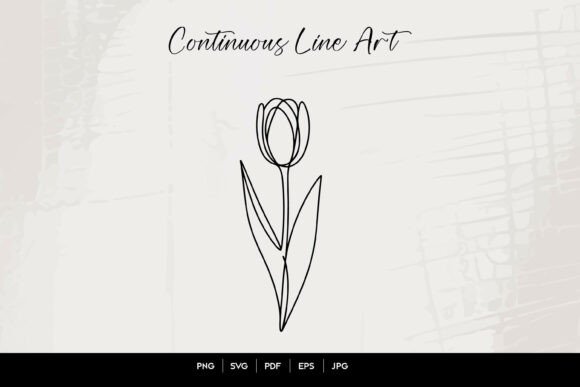
As an embroidery designer with years of experience, I always start by evaluating a design’s potential before using it in real projects. Single Tulip Continuous Line Art is a minimalist, single-line illustration that immediately conveys elegance and simplicity. Its clean, flowing form suggests a soft, nature-inspired aesthetic that could work well in a variety of applications.
The First Impression
When I first saw Single Tulip Continuous Line Art, I was struck by its quiet sophistication. The design feels like a breath of fresh air in a world often dominated by busy patterns. It’s not overly complex, but it has enough character to stand out on its own. The continuous line gives the tulip a sense of movement, as if it’s gently swaying in the breeze. This makes it ideal for projects that aim for a calm, refined look.
The layout is straightforward—just one tulip, centered and balanced. There’s no extra clutter, which means it can be easily adapted to different sizes and placements. Whether you’re working on a small patch or a larger tote bag, the design remains cohesive and recognizable.
Real-World Embroidery Applications
Single Tulip Continuous Line Art is versatile enough to fit into many embroidery projects. For example, imagine customizing a tote bag for a boutique shop. The design would add a subtle touch of class without overwhelming the fabric. It also works well on sweatshirts, where it can serve as a focal point without requiring too much space.
For baby items, such as onesies or blankets, the design’s simplicity is a big plus. It’s gentle on the eyes and doesn’t have any sharp edges that might be distracting. Similarly, when used on aprons or kitchen towels, it adds a personal, handmade feel that customers appreciate.
One of the strongest uses for this design is in personalized gifts. A single tulip embroidered on a cap or a pillow cover can make a thoughtful, unique present. It also works well for holiday or wedding-themed projects, where a touch of floral beauty can enhance the overall aesthetic.
Where to Use With Caution
While Single Tulip Continuous Line Art is great for many projects, there are situations where it may not perform as well. For instance, on small hoop sizes, the design might appear too large or stretched out. It’s important to check how it fits within your machine’s capabilities before committing to a project.
On textured fabrics or thin materials, the continuous line could lose some definition. If the fabric is too stretchy or delicate, the stitches might not hold up over time. In such cases, consider adding a bit more detail or adjusting the stitch density to ensure durability.
Dark fabrics can also pose a challenge. Since the design is a single line, it may not stand out as much against a dark background. You might need to adjust the thread color or add a contrasting element to make it more visible.
Impact on Visual Appeal and Customer Perception
Single Tulip Continuous Line Art brings a sense of refinement to any product it’s used on. It enhances visual appeal without being too flashy, making it a great choice for handmade products that aim for a professional look. Customers often respond positively to designs that feel intentional and well-crafted.
When used on custom apparel or embroidered patches, the design can elevate the perceived value of a product. It signals attention to detail and care in the creation process, which can build trust with buyers. For Etsy sellers or small shop owners, this kind of design can help differentiate their offerings from mass-produced alternatives.
It also plays well with brand consistency. If you’re creating a collection of floral-themed items, this design can serve as a unifying element. It’s simple enough to be used across different products while still maintaining a cohesive style.
Practical Designer Notes
Before using Single Tulip Continuous Line Art in a project, I always recommend testing it on scrap fabric. This helps you see how the line translates in real stitching and whether it holds up under different conditions. Checking thread color contrast is also essential—especially if you’re using dark or light backgrounds.
Stitch density is another factor to consider. A design that’s too dense might cause puckering or distortion, while one that’s too sparse might look incomplete. Make sure the design is optimized for your specific machine and fabric type.
Using the right stabilizer is crucial, especially for delicate or stretchy fabrics. It helps prevent shifting and ensures the design stays in place during stitching. Also, if you’re planning to sell finished products or digital files, double-check the licensing terms to avoid any legal issues.
Final Thoughts
Single Tulip Continuous Line Art is a design that speaks quietly but effectively. It’s perfect for those who want to add a touch of natural beauty to their embroidery projects without overcomplicating things. Whether you’re an Etsy seller, a craft business owner, or a hobbyist, this design offers a lot of potential for creative expression and practical use.
With careful consideration of fabric type, stitch settings, and placement, it can become a valuable addition to your design assets. Just remember to test it thoroughly and think about how it will look once stitched. That way, you’ll ensure it meets both your standards and your customers’ expectations.